The Story Behind “What I Know About Love”
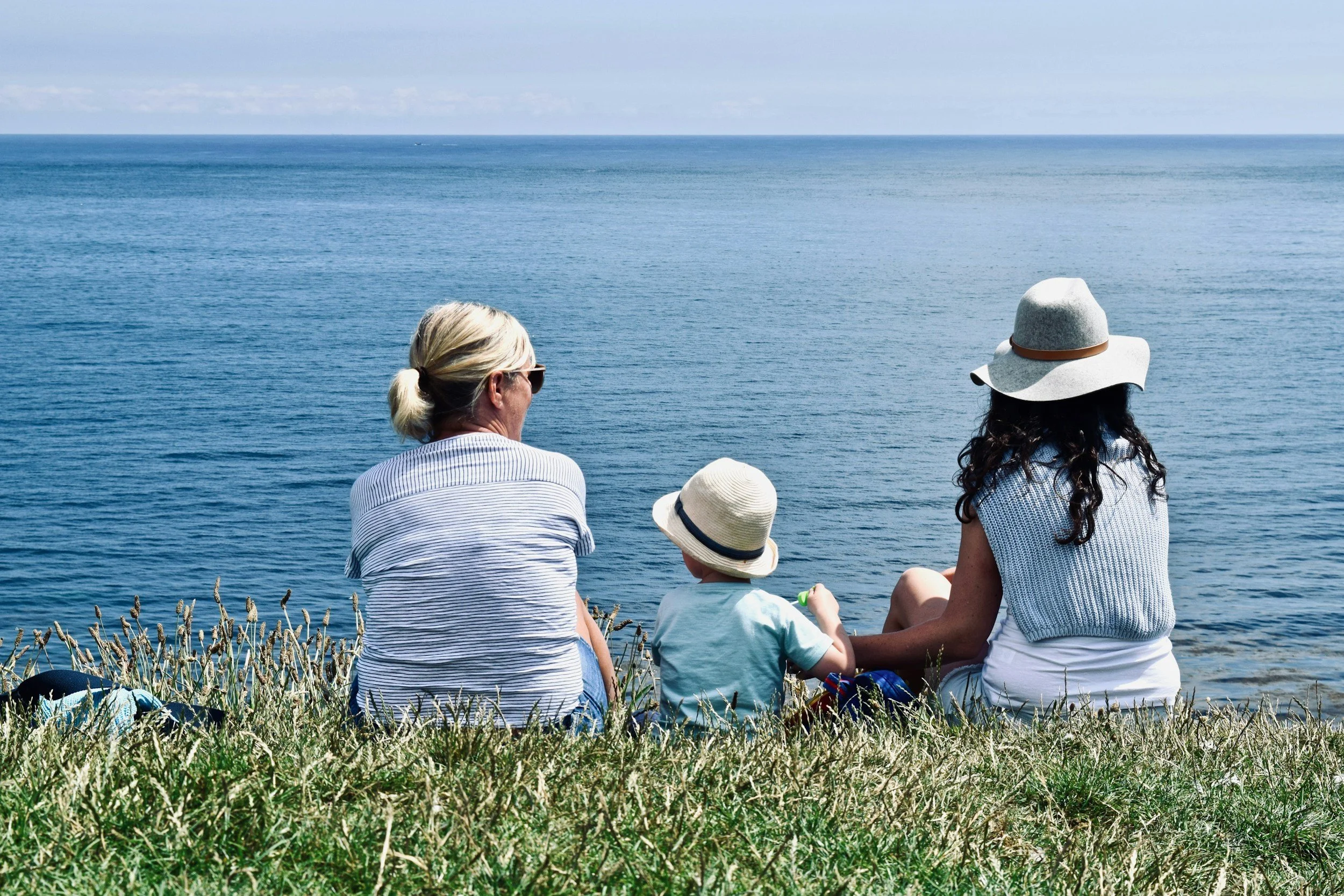
Today is Grandparents Day, and in honor of the day, I would love to share the story behind my first children’s book, What I Know About Love.
My young nephew reached up and asked me to take him to the restroom. It was such an ordinary request, the kind of thing a little boy asks without thinking twice. But in that moment, all I could think was, He needs someone who isn't struggling with dizziness or is unsteady on their feet. It was true. I could not be the one to help him. And in an instant, awareness and disappointment flooded in.
Somewhere underneath the surface, I had been carrying unspoken dreams about what it would be like to become a grandmother. I had never intentionally imagined it all out, but I think I had assumed there was a set of ordinary things grandparents do and that I would be able to do them all. Pick up a little one. Walk alongside them. Take them places. Play. Help. Show up. And suddenly, I wasn't sure.
I was sad about it for weeks. Not because of that one trip to the restroom, of course, but because of what that moment represented. It was a glimpse of a future I had quietly imagined and the realization that chronic illness might change it in ways I had never anticipated.
In those moments, I began thinking about my own grandmothers.
When I think about the influence they had on my life, I don't primarily remember big adventures or extraordinary experiences. I remember the simple, everyday things. Tending a garden. Watching birds. Baking for a neighbor. Playing board games. Sitting together. Doing ordinary things that, at the time, probably didn't seem particularly significant.
But those ordinary moments taught me some of the most extraordinary lessons about love. I learned what it looked like to love generously, not because there was something to gain in return. I learned what it looked like to love unconditionally, welcoming and caring for others. I learned what sacrificial love looked like, not through grand gestures, but through the willingness to give your time, your attention, your energy, and yourself for someone else.
As I thought back on those times with my grandmothers, I realized I had been looking at grandparenthood through the wrong lens. I had been focusing on what I imagined I might not be able to do rather than considering all the ways I could still love, influence, and be present. That realization became the beginning of What I Know About Love.
I wanted to write a children's book that could help children see something we don't always talk about enough: people age, bodies change, abilities change, and none of those things diminish the value of a relationship.
Grandparents of all levels of ability have important roles to play in the lives of their grandchildren. They have stories to share and perspectives on life to offer. They can pray for you, listen to you, encourage you, and be a safe place and a steady reminder that you are loved. Their ability to participate may look different from one season to another, but their ability to love and influence the lives of their grandchildren remains.
Chronic illness has changed some of the things I imagined about my future. I don't think there is any value in pretending that doesn't bring disappointment. There is grief when the life we imagined doesn't look quite like the life we receive.
We live in a world that often places tremendous value on independence, productivity, youth, and physical ability. I have seen how easy it is for people to assume that when someone's abilities change, their contribution or their relationships must become smaller, too. I wanted What I Know About Love to tell a different story.
I wanted a child to look at an aging or differently abled grandparent and see more than what that person can no longer do. I wanted families to have a simple way to begin conversations about aging, disability, empathy, and the importance of grandparent relationships. And I wanted to honor the truth I learned from my own grandmothers: some of the most formative moments in our lives happen in the most ordinary places. In a garden. At a kitchen counter. Around a board game. Beside someone we love.
The older I get, the more I realize that love doesn't have to be spectacular to be significant. Sometimes it looks like showing up. Sometimes it looks like sitting beside someone. Sometimes it looks like baking something for a neighbor. Sometimes it looks like listening to the same story again. And sometimes, when our bodies won't let us do what we wish we could do, love looks like finding another way to be present.
That is why I wrote What I Know About Love.
I wish you all a very Happy Grandparents Day!